



A film by Eva Trobisch
With: Frida Hornemann, Eva Löbau, Rahel Ohm, Peter René Lüdicke, Max Riemelt, Gina Henkel, Florian Lukas, Ida Fischer, Florian Geißelmann, Thomas Schubert
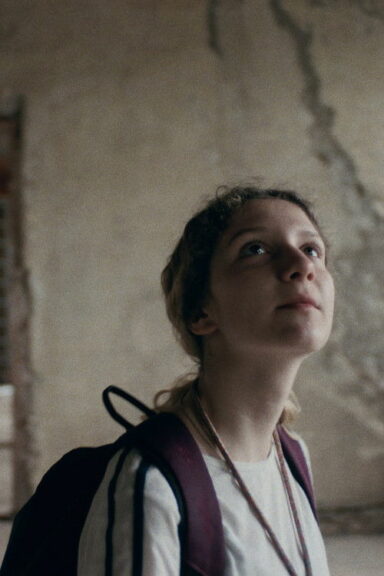
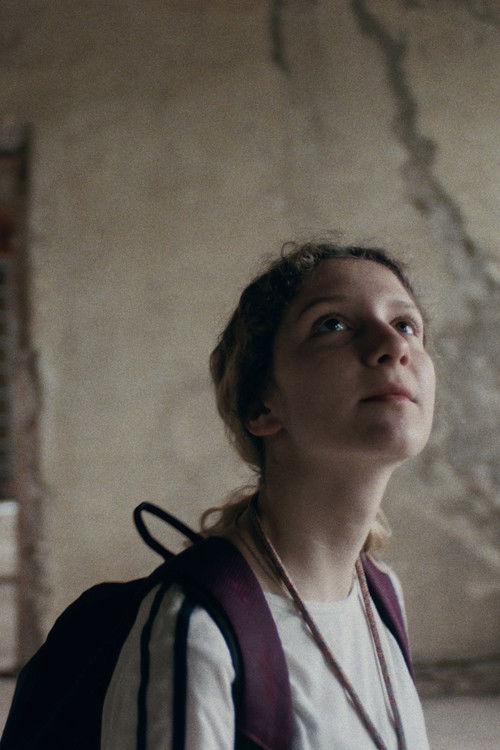
As a contestant in a singing casting show, Lea is asked by the TV team who she is and what makes her special. She doesn’t know and begins to slip into different roles in her search for what makes her special, developing an unexpected fascination for her aunt Kati. Kati’s return home as head architect for the renovation of the Residenzschloss after many years abroad reunites the family in one place. This reunion raises the hopes of grandparents Friedrich and Christel that they can join forces to give their pension, which has few visitors, a new lease of life.
Our rate : ★
Very Germanic in essence and aimed at a contemporary German audience, Eva Trobisch embarks on a family saga that seeks to capture the changes that took place between three generations following the fall of the Berlin Wall, and to capture something of her time. She therefore sets her story in the present, or even the future, with her youngest heroine, Lea, who dreams of a career in music, which her father encourages her to pursue, conjuring up the mind-numbing images of a reality TV show similar to Star Academy in France. The story quickly turns to the past, the legacy left behind, the passion for horse riding, within a family that owns (nothing is said about the circumstances that led to the acquisition of this property) land and a once luxurious but now dilapidated hotel residence, facing changes in tourist habits, somewhere in East Germany. The young German director sees fit to open and dwell on family tensions, on the father’s difficulty in stabilizing himself emotionally after his breakup with Léa’s mother. Bourgeois, complex, and on the whole relatively shallow and pedantic, the film attempts to evoke in subtext the schism between East and West Germans, again with pretension and clumsiness; Even if the approach may seem subtle, using innuendo and a few asides in the dialogue here and there rather than assertions or demonstrations, the message rings relatively hollow and lacks force or an elaborate and convincing underlying theory, leaving us stranded. So be it, we think. What remains is a more intimate portrait and a reflection on personal ambition, which nevertheless affirms something about our era that is, for the time being, quite universal (at least in the Western world and the values it espouses).